A North Alabama buyer resource

Research the address before you fall for the house.

A listing tells you what is being sold. An address search helps you ask better questions about the parcel, taxes, flood maps, schools, and services around it.

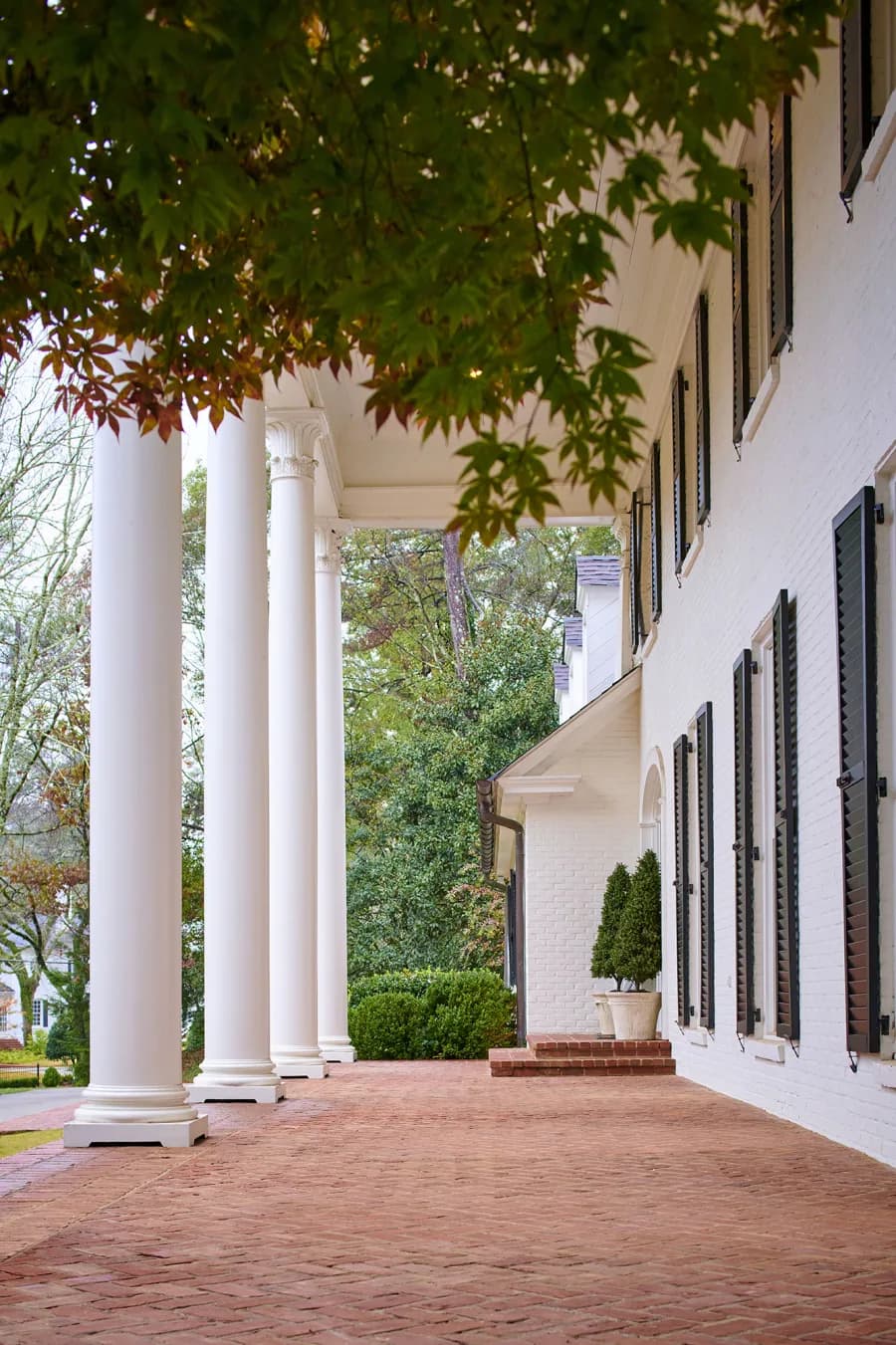
A home with a broad covered porch and welcoming front entry

Try it before you contact anyone

Four checks for a smarter home search

Start with a real address or your own numbers. Each result stays visible here so you can decide what needs a closer look.

Check an address against public maps

Copy the street address from Zillow, Homes.com, or a listing. See the Census match and any point results returned by FEMA and county GIS.

The address goes to this site and the U.S. Census. An estimated street point is not a parcel boundary, flood determination, or tax quote.

Compare tax assumptions

Enter the same property value and two millage rates from official records. See the unadjusted annual difference before exemptions.

Enter a value and both millage rates to compare.
This is a formula example. Classification, appraised value, district rates, exemptions, and reassessment must be confirmed for the parcel.

Put an offer scenario in context

Use the asking price and finished area from a listing, then adjust a scenario. This does not estimate market value or tell you what to offer.

Enter the asking price to see a scenario.
Check listing history, condition, concessions, and comparable sales with an agent. No local price or timing benchmark is assumed.

Plan a commute and verify schools

Start with your own origin and destination. Check travel time at the hour you would actually drive, then confirm school assignment for the exact address with the district.

Compare a route with your 30 minute targetEnter both locations to open a route.
Directions open in Google Maps and send your entered locations there. This page does not calculate travel time or assign a school.
Want help turning these checks into a search plan?

Bring the address, source links, and your own numbers to the conversation.

Draft a text to Becca

A practical research file

Keep the official records behind each decision

Start with the official record for the exact property, not a neighborhood average. These links open public government resources. The notes you enter in Becca’s calculators stay in your browser and are not submitted to her.

. Confirm property-specific details with the responsible agency before relying on them.

Open the FEMA flood map
03

Review mapped flood hazards

Enter the property address in FEMA’s official map service and note the current map panel and date. A map is one part of due diligence. Ask an insurance professional about the specific structure and check grading, drainage, and prior water history with the right records and experts.

Questions buyers often miss

Does the mailing city tell me the tax jurisdiction?

No. A postal city name is not a parcel boundary. Check the city and county maps, then confirm the taxing district with the assessor or tax collector.

Can I use the seller’s tax bill to estimate my future bill?

Use it as background only. Alabama’s Department of Revenue says buyers should not assume taxes will stay the same after a change in ownership. Ask the county assessor for a property-specific estimate.

Does a FEMA map showing a lower-risk zone mean a home cannot flood?

No. FEMA’s map is an important official source for mapped hazards, but it is not a promise that a particular home cannot flood. Review the property’s drainage and history, and discuss coverage with an insurance professional.

Keep your research organized

Bring the right questions into your next conversation.

Record the address, parcel number, source links, and the date you checked each record. Then compare costs and neighborhoods with a clear set of assumptions.